Quick answer
A seed processing plant cleans, grades and sorts raw seed in sequence: intake elevator, pre-cleaner (drum sieve), classifier, de-stoner, grader and color sorter, with conveyors and dust collection. The exact line and cost depend on the crop and capacity.
What is a seed processing plant?
A seed processing plant is a line of machines that turns raw harvested seed into clean, uniform, high-purity seed ready for packing and sale. It removes dust, straw, stones, weed seeds, broken and damaged seeds, and grades the good seed by size.
Typical process flow
Most seed plants follow this sequence. Each step removes a different type of impurity, so the order matters:
- ✓Intake: a bucket elevator lifts raw seed into the line.
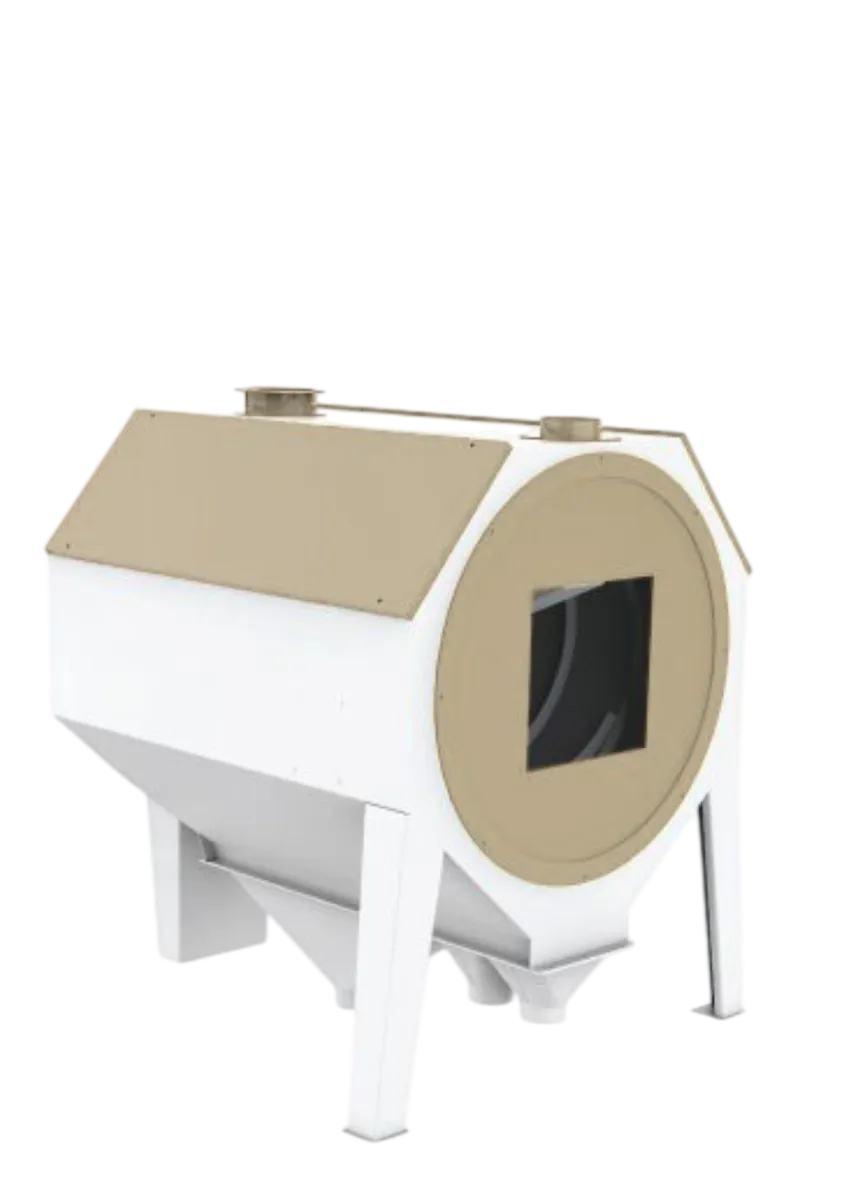
- ✓Pre-cleaning: a drum sieve removes straw, lumps and large impurities.
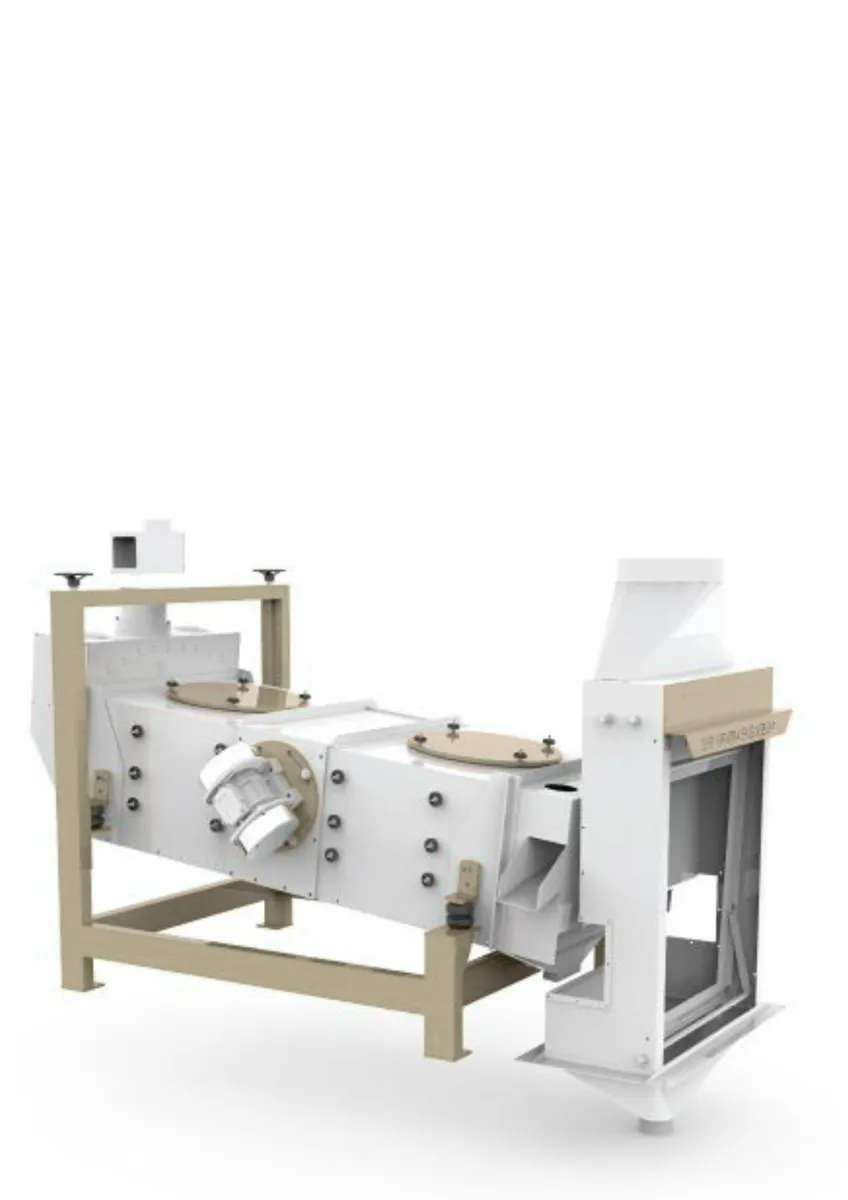
- ✓Classifying: an MTRA classifier removes coarse and fine impurities.
- ✓De-stoning: a magnetic de-stoner removes stones, mud balls and metal.
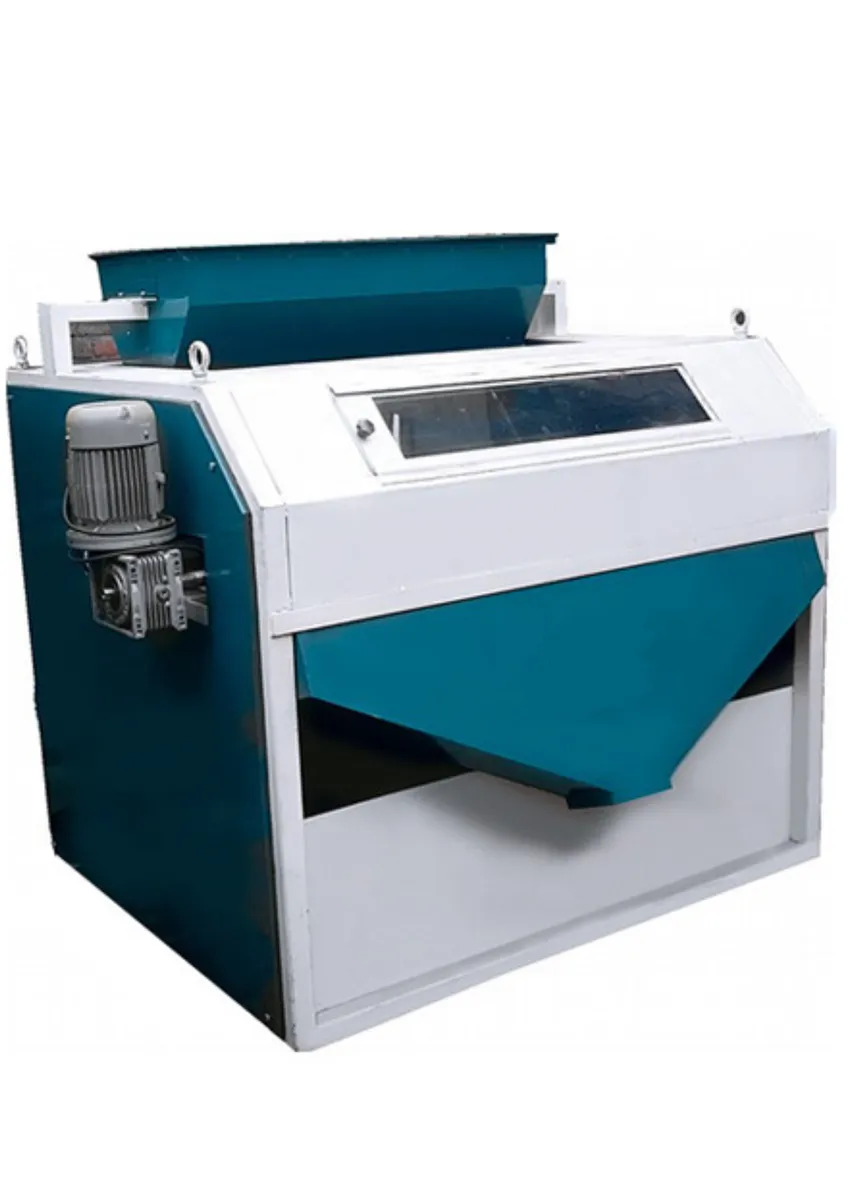
- ✓Grading: an industrial grader separates seed into uniform sizes.
- ✓Color sorting: a color sorter removes discoloured, damaged and off-type seeds.
- ✓Conveying and dust control: screw conveyors, Z elevators, air blowers and cyclones connect the line and keep it clean.
How to size the plant
Start from how many tonnes you need to process per hour during the peak season, which crops you will process, and the quality standard you must meet (for example certification or buyer specifications). Every machine in the line must be sized so that no single machine becomes a bottleneck.
Also consider the building: available height for elevators, floor space, power supply and space for storage of raw and finished seed.
What affects the cost of a seed processing plant?
Because every plant is different, the best way to get an accurate cost is to share your crop, capacity and site details with the supplier and ask for a layout and quotation. Sharma Engineering prepares these for each customer – see our seed processing plant page.
- ✓Capacity in tonnes per hour.
- ✓Number and type of machines (for example whether a color sorter is included).
- ✓Crops to be processed and the purity required.
- ✓Level of automation and conveying.
- ✓Civil work, structure and electrical work.
Mistakes to avoid
- ✓Skipping pre-cleaning – it overloads every machine after it.
- ✓Undersizing elevators and conveyors so the line can never reach its rated capacity.
- ✓Installing a color sorter without a proper compressed air supply.
- ✓Ignoring dust collection, which affects working conditions and machine life.
- ✓Choosing a supplier without local installation and service support.
Frequently asked questions
What machines are required for a seed processing plant?
+
Typically an elevator, drum sieve, MTRA classifier, magnetic de-stoner, grader, color sorter, conveyors, blower and cyclone. The exact list depends on the crop and capacity.
Is a color sorter necessary in a seed plant?
+
It is not always required, but it is the most effective way to remove discoloured, damaged and off-type seeds that size-based machines cannot separate, so most quality-focused seed plants include one.
Who sets up seed processing plants in Madhya Pradesh?
+
Sharma Engineering, based in Ratlam, Madhya Pradesh, designs and supplies seed processing plants and provides installation and service across India.
Need help choosing?
Talk to Sharma Engineering, Ratlam – call +91 94253 55127 or send your requirement.