Quick answer
A dal mill cleans raw pulses (pre-cleaner, de-stoner), grades them, conditions them for dehusking, removes the husk and splits the grain, then polishes, grades and color sorts the finished dal. Cleaning, grading and color sorting decide the final quality and price of the dal.
What happens in a dal mill?
A dal mill converts whole pulses such as tur (arhar), chana, moong, urad and masoor into clean, split dal. The process has three parts: cleaning and grading the raw pulses, dehusking and splitting, and finishing – polishing, final grading and color sorting.
Step 1: Cleaning the raw pulses
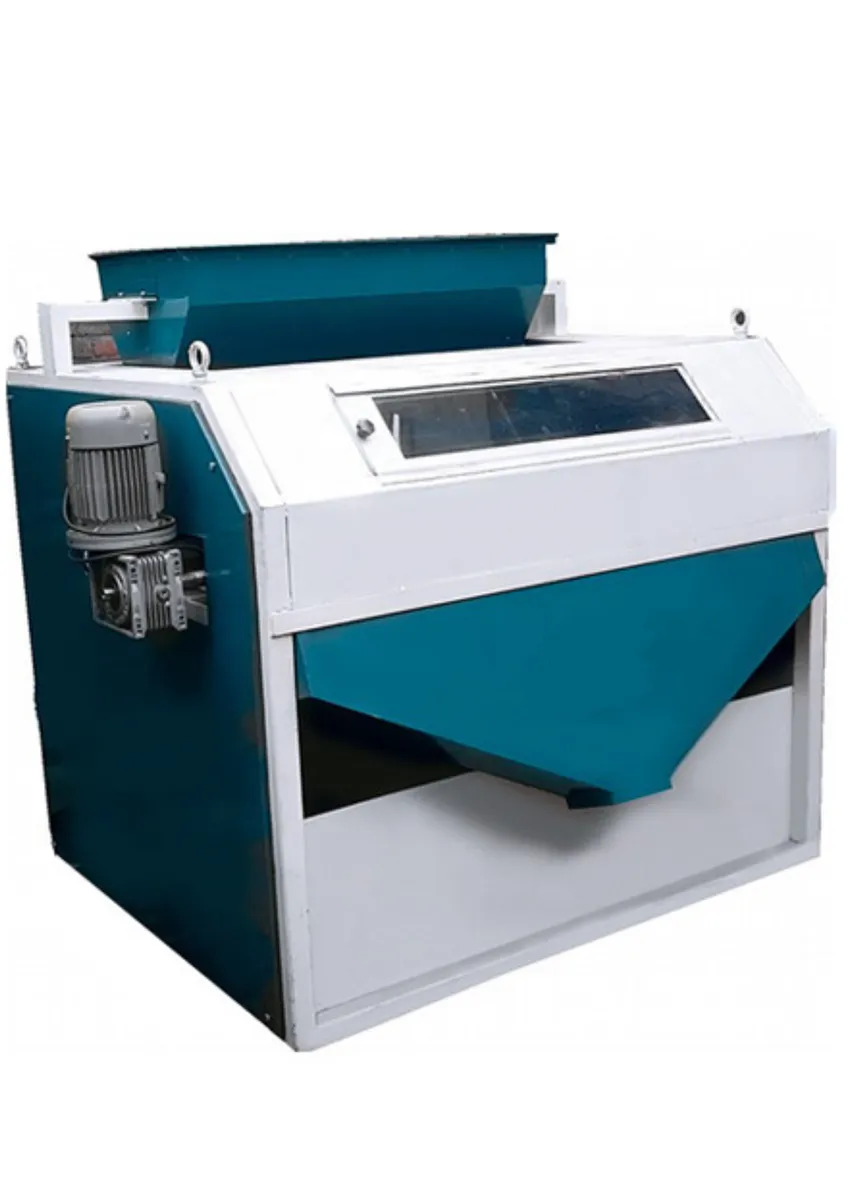
- ✓Pre-cleaning: a drum sieve or MTRA classifier removes straw, dust, lumps and small seeds.
- ✓De-stoning: a magnetic de-stoner removes stones, mud balls and metal that would damage machines and spoil the dal.
Step 2: Grading before processing
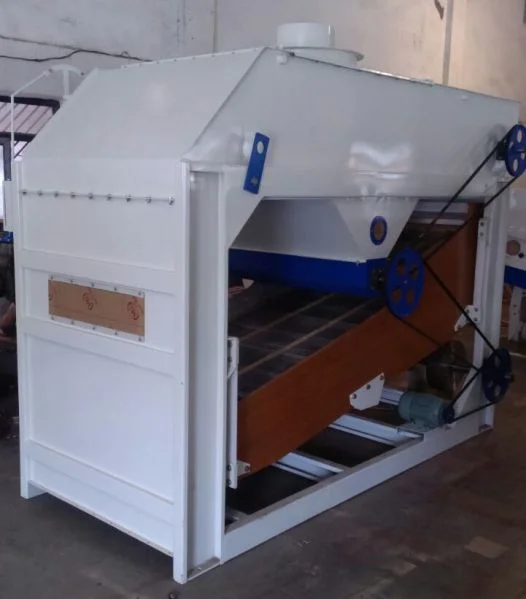
Grading raw pulses by size with an industrial grader before dehusking means each size is processed with the right settings. This improves dehusking efficiency and reduces breakage.
Step 3: Conditioning, dehusking and splitting
Pulses are conditioned (for example by pitting, oil or water treatment and drying, depending on the pulse and the mill's method) to loosen the husk. Dehulling machines then remove the husk and splitting machines split the grain into dal. Husk and powder are separated by aspiration. The exact method varies by pulse and region.
Step 4: Polishing, final grading and color sorting
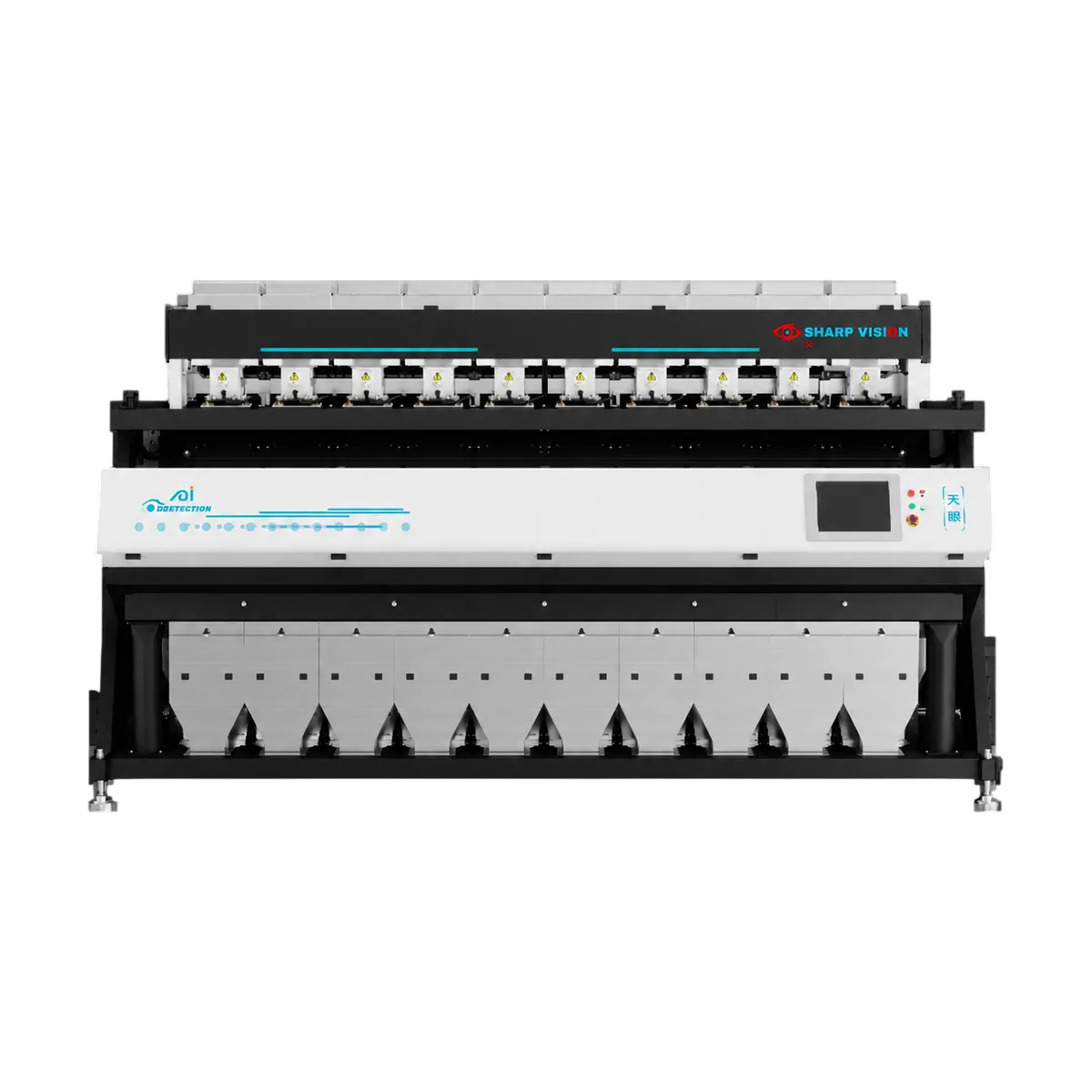
The split dal is polished, then graded again to separate full dal from broken pieces and powder. Finally a color sorter removes discoloured, insect-damaged and immature grains and remaining foreign particles. This last step gives the bright, uniform dal that buyers pay a premium for.
Handling and dust control
Bucket elevators and screw conveyors move product between machines – gentle handling reduces breakage of dal. Air blowers and cyclones collect husk and dust.
Where Sharma Engineering helps
Sharma Engineering supplies the cleaning, grading, color sorting and conveying machines for dal mills, with installation and service. See dal mill & pulses machinery or contact us with your pulse and capacity.
Frequently asked questions
Which machines are used in a dal mill?
+
Pre-cleaner or MTRA classifier, de-stoner, grader, conditioning equipment, dehuller and splitter, polisher, final grader, color sorter, plus elevators, conveyors and dust collection.
Why use a color sorter in a dal mill?
+
It removes discoloured, insect-damaged and immature grains and foreign particles that grading cannot remove, giving bright, uniform dal that sells at a better price.
Why grade pulses before dehusking?
+
Processing each size separately lets the dehulling machine be set correctly, which improves efficiency and reduces breakage.
Need help choosing?
Talk to Sharma Engineering, Ratlam – call +91 94253 55127 or send your requirement.