Quick answer
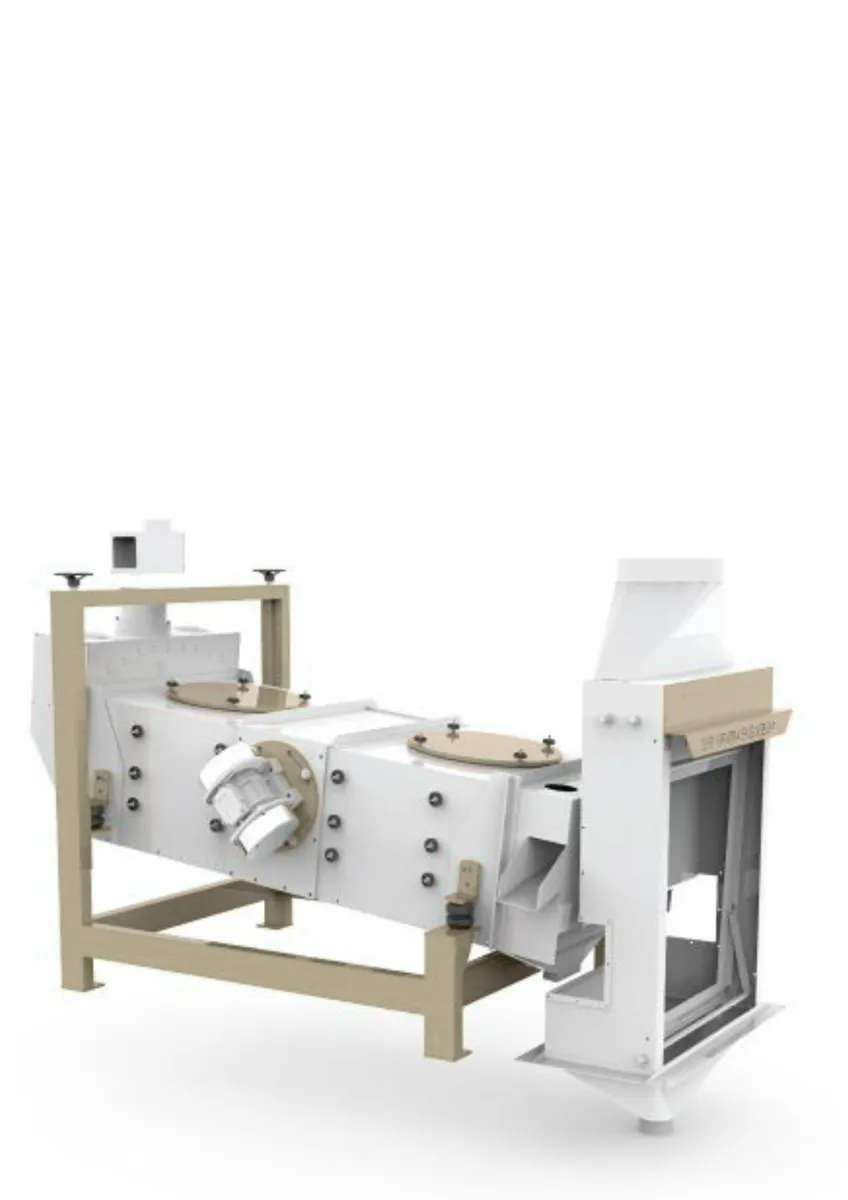
An MTRA classifier is a vibrating screen machine that removes coarse impurities (straw, lumps, stones larger than the grain) and fine impurities (sand, dust, small seeds) and classifies grain by size. It is used near the start of flour, rice, dal and seed cleaning lines. Choose it by capacity, product and the screen sizes you need.
What does an MTRA classifier do?
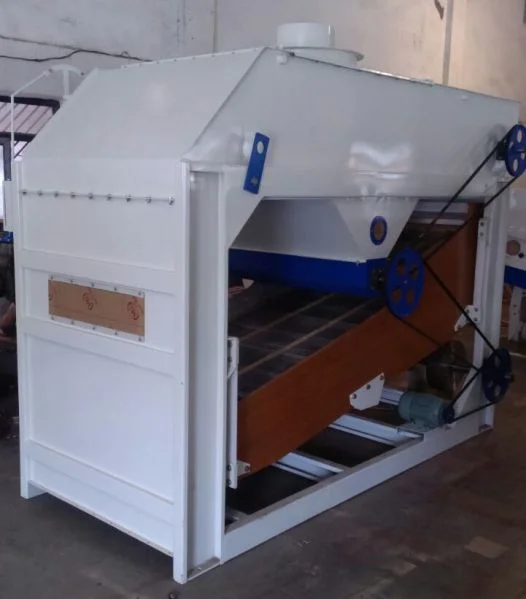
An MTRA classifier is a heavy-duty screening machine used to clean and classify grain. Product spreads across vibrating screens: material larger than the grain stays on the top screen and is discharged as coarse impurity, the good grain passes through to the next screen, and fine material such as sand, dust and small weed seeds passes through the bottom screen. The result is cleaner grain of more uniform size, ready for the next machine.
How it works
- ✓Product enters at the inlet and is spread evenly across the full width of the screens.
- ✓Vibration motors drive the screen box with a controlled motion that moves product forward.
- ✓The top screen retains oversized impurities and the bottom screen lets fines fall through.
- ✓Clean, classified grain is discharged separately from coarse and fine impurities.
- ✓Often an aspiration channel at the outlet removes light dust and husk with air.
Where MTRA classifiers are used
- ✓Flour mills – cleaning wheat before conditioning and milling.
- ✓Rice mills – cleaning paddy and rice.
- ✓Dal mills – cleaning raw pulses before processing. See our dal mill guide.
- ✓Seed processing plants – as a pre-cleaner and classifier. See the seed plant setup guide.
- ✓Grain storage and trading – cleaning grain before storage or sale.
MTRA classifier vs drum sieve vs grader
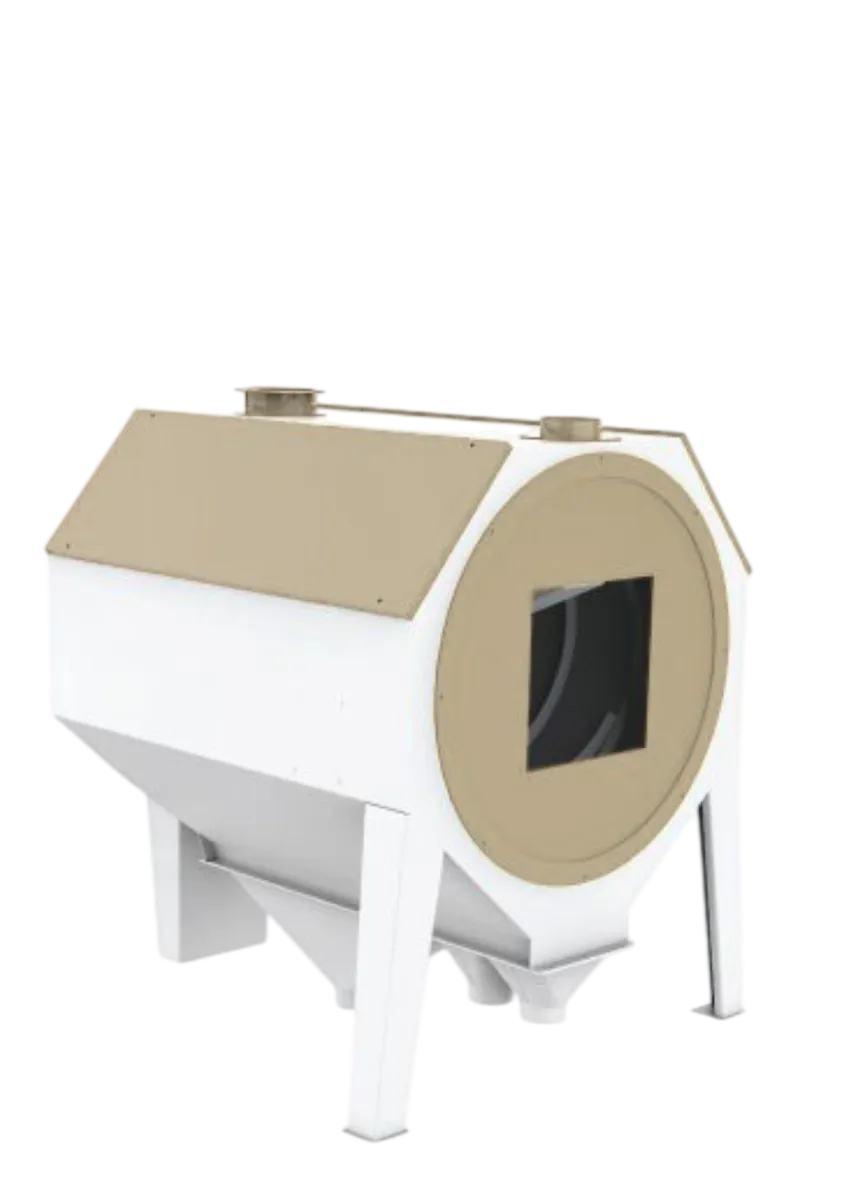
A drum sieve is a rotary pre-cleaner that mainly removes large impurities such as straw and lumps. An MTRA classifier removes both coarse and fine impurities at high capacity and classifies the grain. An industrial grader is used for finer, multi-size grading of the cleaned product into several grades. In many plants all three are used in the order drum sieve → MTRA classifier → de-stoner → grader.
How to choose an MTRA classifier
- ✓Capacity in tonnes per hour, matched to your line.
- ✓Product and its size range – this decides the screen perforations.
- ✓Number of screens and outlets you need.
- ✓Whether you need an aspiration channel for dust and light impurities.
- ✓Build quality, vibration motors and ease of changing screens.
Maintenance
- ✓Keep screens clean so holes do not get blocked, which reduces capacity and accuracy.
- ✓Check screen tension and replace damaged screens.
- ✓Check vibration motor mountings and rubber suspensions.
- ✓Keep spare screens for the different products you process.
Frequently asked questions
What is the full use of an MTRA classifier?
+
It removes coarse and fine impurities from grain and classifies it by size, and is used in flour mills, rice mills, dal mills, seed plants and grain storage.
Can one MTRA classifier be used for different grains?
+
Yes. Changing the screens to suit the size of each grain lets the same classifier handle different products.
Is an MTRA classifier the same as a grader?
+
Both use screens, but an MTRA classifier is mainly a high-capacity cleaning and classifying machine, while a grader is used for finer multi-size grading of cleaned product.
Need help choosing?
Talk to Sharma Engineering, Ratlam – call +91 94253 55127 or send your requirement.